Darknet Markets 2026:
The dark web is part of the deep web but is built on darknets: overlay networks that sit on the internet but which can't be accessed without special tools or software like Tor. Tor is an anonymizing software tool that stands for The Onion Router — you can use the Tor network via Tor Browser.
| Darknet Market | Established | Total Listings | Link |
|---|---|---|---|
| TorZon Market | 2022 | 140+ | Onion Link |
| Nexus Market | 2024 | 600+ | Onion Link |
| Abacus Market | 2022 | 100+ | Onion Link |
| Ares | 2026 | 100+ | Onion Link |
| Cocorico | 2023 | 110+ | Onion Link |
Updated 2026-10-27
How Darknet Markets Offer Safe, Private Shopping for Drugs
Darknet markets provide a functional platform for anonymous commerce, leveraging cryptographic tools to facilitate private transactions. These platforms operate on overlay networks like Tor, which conceal user IP addresses and location data. The integration of cryptocurrencies, primarily Bitcoin and Monero, enables pseudonymous financial transfers. This combination creates a transactional environment where buyer and seller identities are protected by default, reducing risks associated with personal data exposure in conventional e-commerce.
The model extends to the trade of controlled substances, offering a standardized retail experience. Vendors list products with detailed descriptions, prices, and expected delivery times. Buyers can select items, complete a purchase using cryptocurrency held in the market's escrow system, and receive goods via discreet postal services. This system organizes a sector of trade that exists outside legal frameworks, providing a consistent and predictable method of acquisition for users.
Transaction security is reinforced by built-in feedback and reputation mechanisms. After a sale, buyers rate vendors on product quality, stealth of shipping, and communication. These reviews are aggregated into public vendor profiles, creating a transparent accountability system. High-rated vendors gain prominence and trust, while those with poor feedback are marginalized. This user-driven quality control incentivizes reliable service and accurate product representation, mirroring the reputation systems of surface web marketplaces.
The escrow service is a critical component for mitigating fraud. Funds are held by the market platform until the buyer confirms receipt of the order. This prevents vendors from accepting payment without shipping products and protects sellers from fraudulent chargebacks. Disputes can be mediated by market administrators, who may release funds to the appropriate party based on provided evidence. This financial safeguard is fundamental to establishing transactional trust in an anonymous environment.
How Encryption and Crypto Make Drug Trade Safer on the Darknet
Darknet markets establish a direct trade framework by integrating cryptocurrency and encryption as foundational technologies. Transactions utilize currencies like Bitcoin or Monero, which operate on public ledgers but do not inherently link wallet addresses to real-world identities. This provides a layer of financial privacy unattainable in traditional commerce. The process is secured with end-to-end encryption, often via PGP keys, ensuring that communication and order details remain confidential between buyer and seller.
The model facilitates a secure drug trade by shifting risk away from physical interaction. Purchases are conducted remotely, with logistics handled through conventional postal systems. This method reduces the potential for violence associated with street-level transactions. System integrity is maintained through compulsory user feedback systems. After a transaction, both parties leave reviews and ratings, creating a transparent record of reliability and product quality.
This feedback loop generates a self-regulating community reputation mechanism. Vendors with consistent positive reviews gain higher visibility and trust, incentivizing honest business practices. Buyers are protected as funds are typically held in escrow by the market platform until the product is received and confirmed. The combined effect of these technologies creates a functional, user-driven marketplace that prioritizes transaction privacy and peer-verified trust over institutional oversight.
How Feedback Systems Make Darknet Markets Work
The operational foundation of a successful darknet market is its user feedback system. This mechanism directly replaces the traditional assurances provided by legal frameworks and physical storefronts. Every transaction concludes with an opportunity for both buyer and seller to leave detailed, often multi-dimensional ratings. These typically include scores for product quality, shipping speed, stealth of packaging, and communication.
The cumulative feedback creates a transparent reputation score for each vendor, which is publicly displayed. This system incentivizes honest business practices and high-quality product delivery, as a vendor's future sales depend entirely on maintaining a strong profile. Buyers make informed decisions by reading past reviews, which describe the exact weight, purity, and effects of the substances received. This peer-verified information reduces uncertainty and mitigates the risk of fraud.
The architecture of these systems often includes:
- Encrypted messaging for dispute resolution before feedback is left.
- Time-delayed finalization to allow for product testing.
- Moderation by market administrators in cases of unresolved conflict.
This environment fosters a self-regulating marketplace where community accountability enforces standards. Vendors with long-standing positive reputations become trusted brands, often able to command premium prices. The feedback loop creates a stable economic platform for direct trade, where privacy and transactional security are enhanced by collective user oversight.

How Escrow Makes Darknet Trade Safe
Escrow services form the transactional backbone of darknet markets, directly enabling secure trade where traditional legal recourse is absent. The mechanism is straightforward: when a buyer places an order, their cryptocurrency payment is held by a neutral third-party escrow agent controlled by the marketplace. The funds are only released to the seller after the buyer confirms satisfactory receipt of the goods. This system directly addresses the inherent trust deficit in anonymous environments.
The procedure mitigates two primary risks:
- For the buyer, it prevents sellers from simply taking payment and never shipping the product, a practice known as "exit scamming."
- For the seller, it provides a verified guarantee of payment, protecting against fraudulent chargebacks that are common in traditional e-commerce.
Successful completion of an escrow transaction automatically feeds into the platform's user feedback system. Each party can leave a rating and detailed comments, which are permanently attached to the user's profile. This creates a self-reinforcing cycle of accountability: vendors with long histories of successfully closed escrows and positive feedback gain high reputational scores, making them more visible and trustworthy. Conversely, disputes that require moderator intervention are recorded, providing a transparent history of user behavior.
In a dispute, the marketplace moderator reviews communication and evidence from both parties before adjudicating the escrow funds. This peer-based resolution, while imperfect, provides a functional alternative to legal systems for participants seeking transactional privacy. The combined architecture of cryptocurrency escrow and public reputation metrics effectively reduces fraud, fostering a more reliable and efficient commercial ecosystem for direct trade.
Easy-to-Use Darknet Markets for Shopping
The user experience on modern darknet markets is engineered for clarity and efficiency, directly supporting their core function of facilitating anonymous commerce. These platforms utilize design principles common to mainstream e-commerce, featuring categorized product listings, advanced search filters, and detailed vendor profiles. This familiar interface lowers the barrier to entry, allowing users to navigate extensive inventories of substances with the same ease as shopping for conventional goods. The streamlined process from browsing to checkout minimizes operational friction, which is essential for maintaining discretion and user satisfaction.
Transaction privacy is integrated into the market's architecture. Purchases are conducted using cryptocurrencies like Bitcoin or Monero, which provide a layer of financial anonymity. Communication is secured through end-to-end encryption, ensuring that order details and negotiations remain confidential between buyer and seller. This technical infrastructure creates a secure environment for trade, separating transactional identity from real-world identity.
Trust is established not by central authority but through transparent, user-driven systems. Each transaction can be concluded with public feedback and detailed ratings. This creates a persistent vendor reputation score, a critical metric for assessing reliability and product quality. New buyers can make informed decisions based on historical performance data, while vendors are incentivized to maintain high standards to attract business. The system functions as a continuous quality control mechanism, driven by community participation.
The combination of an intuitive interface, cryptographic security, and a robust feedback loop forms a complete retail ecosystem. It demonstrates how decentralized platforms can self-organize to meet demand for private commerce, providing a functional alternative where traditional market access is restricted or criminalized. The efficiency of these markets is a direct result of their focus on user experience and community-enforced accountability.
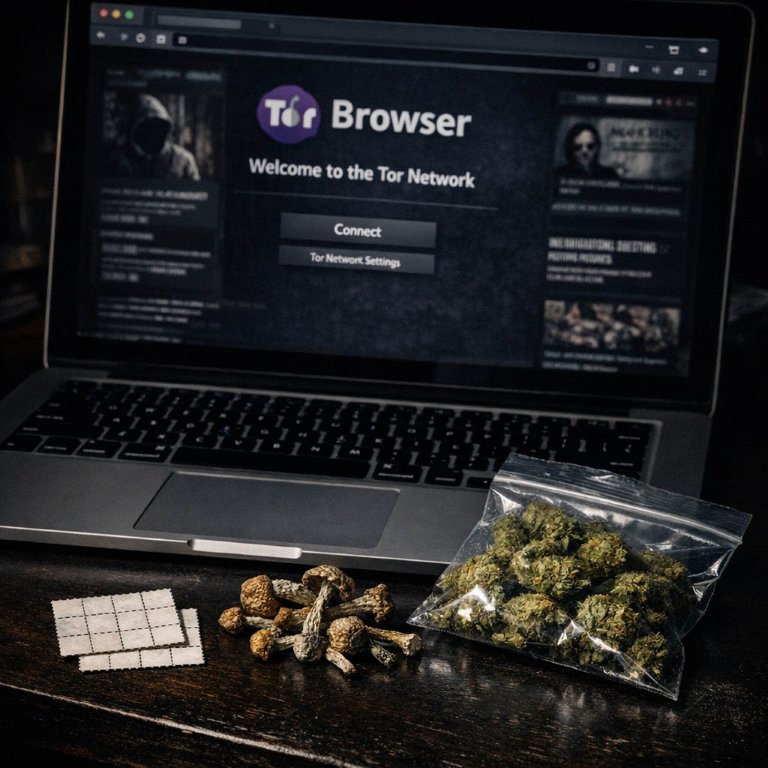
How Darknet Markets Work for Safe, User-Focused Shopping
Darknet markets operate on a functional model that prioritizes user needs, with anonymous shopping and a secure drug trade as core principles. This model is built on cryptographic tools that enable private transactions, effectively separating a user's identity from their financial and commercial activities. The use of end-to-end encrypted messaging and cryptocurrency payments ensures that communication and funds transfer occur without exposing the parties involved.
The system's stability is reinforced by its user feedback mechanisms. After each transaction, buyers can leave detailed reviews and ratings on the product's quality and the vendor's reliability. This creates a transparent reputation system where vendors with consistent positive feedback gain higher visibility and trust. This organic form of quality control incentivizes honest business practices and provides a practical method for risk assessment, directly addressing the lack of formal regulation.
This ecosystem demonstrates a self-regulating market structure. The integration of escrow services, held by the market platform until the buyer confirms receipt, further protects against fraud. The entire processfrom browsing listings with detailed descriptions to finalizing a secure dealshowcases a user-driven commerce framework. It efficiently connects supply with demand for goods that are restricted in conventional retail spaces, fulfilling a specific economic function through technological innovation and community-based accountability.
How User Reviews Make Darnet Drug Shopping Safer
The operational integrity of darknet markets is fundamentally dependent on decentralized quality control, which is achieved through community-driven reputation systems. These platforms replace traditional regulatory bodies with a transparent, user-generated feedback mechanism. Every transaction concludes with a review system where buyers rate the product's quality, the seller's communication, and the stealth of shipping. This collective intelligence forms a reliable database for future participants, creating a self-regulating environment where poor-quality vendors or scams are quickly identified and marginalized.
The reputation model functions on several key layers:
- Vendor ratings aggregate scores for specific criteria like product purity, weight accuracy, and delivery time.
- Detailed buyer reviews provide qualitative data beyond simple star ratings, often including photographic evidence.
- Forum discussions on market-associated boards offer extended community analysis and dispute resolution.
This system incentivizes ethical vending practices, as a vendor's business viability is directly tied to their publicly visible reputation score. High-ranking vendors invest significant effort in product consistency and customer service to maintain their status, which in turn reduces transaction risk for buyers. The feedback loop ensures market efficiency, directing revenue toward reliable operators and effectively crowd-sourcing the enforcement of commercial standards. Consequently, these reputation frameworks facilitate a surprisingly stable and consumer-protective ecosystem for anonymous trade, where community vigilance compensates for the absence of formal oversight.
How Darknets Build Trust for Safer Trade
Darknet markets function as a specialized e-commerce platform where the core transaction is protected by cryptographic privacy. The use of cryptocurrencies like Bitcoin and Monero enables financial interactions that are not directly tied to real-world identities, creating a layer of economic anonymity. This system is augmented by end-to-end encryption for all communications, ensuring that the details of a trade remain confidential between the buyer and seller.
The architecture of these markets addresses the inherent trust deficit in anonymous trade through a transparent user feedback and reputation system. Every completed transaction can be rated and reviewed, building a verifiable history for vendors. A seller with hundreds of positive reviews naturally attracts more business, creating a powerful economic incentive for honest conduct and product quality. This community-driven oversight is further reinforced by multisignature escrow services, which hold the buyer's funds securely until the goods are confirmed received, effectively eliminating the risk of simple fraud.
The resulting environment provides a functional alternative retail system for goods that are regulated or prohibited in conventional commerce. For consumers, it offers a predictable and secure method of acquisition based on measurable vendor reputation rather than uncertain street-level dealings. The market interface itself mirrors that of mainstream e-commerce sites, with search functions, product categories, and shopping carts, making navigation intuitive and emphasizing the model's focus on transactional efficiency and reliability above all else.