Darknet Markets 2026:
The dark web is part of the deep web but is built on darknets: overlay networks that sit on the internet but which can't be accessed without special tools or software like Tor. Tor is an anonymizing software tool that stands for The Onion Router — you can use the Tor network via Tor Browser.
| Darknet Market | Established | Total Listings | Link |
|---|---|---|---|
| TorZon Market | 2022 | 140+ | Onion Link |
| Nexus Market | 2024 | 600+ | Onion Link |
| Abacus Market | 2022 | 100+ | Onion Link |
| Ares | 2026 | 100+ | Onion Link |
| Cocorico | 2023 | 110+ | Onion Link |
Updated 2026-10-27
How the Darknet Makes Private Trade Easy and Reliable
A secure darknet marketplace functions as a specialized e-commerce platform, requiring specific software like Tor or I2P for access. These tools provide anonymity by routing connections through multiple encrypted layers, effectively concealing a user's location and identity. This architecture creates a separate economic space where commerce can proceed with a high degree of privacy.
The primary appeal lies in the transactional privacy for both buyers and sellers. Goods, including recreational substances, are traded with discretion not typically available on the open web. These platforms often implement a self-regulating feedback system, where community reviews and vendor ratings directly establish trust and verify product quality. This peer-based verification reduces the risk of fraudulent transactions.
Financial anonymity is maintained through the use of cryptocurrencies such as Bitcoin or Monero. Transactions are recorded on a public ledger but are not directly linked to real-world identities, facilitating private economic activity. Direct and encrypted messaging systems within the marketplace allow for secure communication, enabling detailed discussions about products without external surveillance.
The ecosystem is self-contained and community-moderated. Disputes are often resolved through internal escrow services and community consensus, reinforcing a system where reliability and reputation are paramount for continued operation. This environment supports a free market for goods that are otherwise restricted, providing users with choice, verified quality, and personal privacy in their transactions.
How Darknet Markets Keep Your Shopping Private
The operational foundation of a secure darknet marketplace is its use of end-to-end encryption. This technology ensures that all communications, from initial contact to final delivery details, are scrambled and can only be read by the intended buyer and seller. This system creates a private channel, separating transactional data from a user's public identity and making external surveillance or data interception practically ineffective.
User privacy is further protected by the requirement for cryptocurrency transactions, which function without the need for personal banking details. When combined with the marketplace's own internal tumbling or mixing services, these payments break the direct blockchain link between a user's external wallet and their marketplace activity. This financial anonymity is a critical component, allowing for private shopping without leaving a conventional paper trail.
The architecture of these platforms often incorporates multi-signature escrow systems. In this setup, funds for a transaction are held in a secure, third-party wallet controlled by the marketplace software itself. The funds are only released when both parties confirm the order is complete. This mechanism protects buyers from fraud while ensuring sellers receive payment for verified goods, all without requiring a central authority that could compromise identities.
Access to these services is gated by specialized software like Tor or I2P, which anonymizes a user's network traffic by routing it through multiple encrypted layers. This process hides the user's actual IP address and the marketplace's server location, creating a separate, resilient network. The combination of network-level anonymity, communication encryption, and financial privacy establishes a self-contained environment where the quality and verification of goods become the primary metrics for trust, rather than the identities of the participants.
How Cryptocurrency Enables Private Shopping on the Darknet
The financial architecture of a secure darknet marketplace is fundamentally built upon cryptocurrency. This technology provides a necessary layer of financial privacy that traditional payment systems cannot offer. Transactions using currencies like Monero or Bitcoin are recorded on a public ledger, but the identities of the sender and receiver are obscured by cryptographic addresses. This separation of financial activity from real-world identity is a core component of the ecosystem's operational security.
This anonymity directly facilitates private commerce. Buyers can acquire goods without their purchases being linked to their personal banking records. For sellers, it allows for the receipt of payments without exposing a central account that could be seized. The process typically involves:
- A buyer funding a personal cryptocurrency wallet from an exchange.
- Transferring the exact amount to a unique, marketplace-generated address for a specific order.
- The funds being held in escrow by the marketplace until the buyer confirms satisfactory receipt of the goods.
The use of cryptocurrency also enables a global and borderless market. It removes intermediaries like banks and credit card companies, which often restrict transactions related to certain substances. This creates a more direct economic relationship between consumer and vendor. The pseudo-anonymous nature of the transaction, combined with the physical shipping process, establishes a distribution model that is difficult to trace through financial forensics alone. The efficiency and privacy of this system are what make the consistent trade in verified goods logistically possible, as it securely moves value from consumer to producer without conventional oversight.
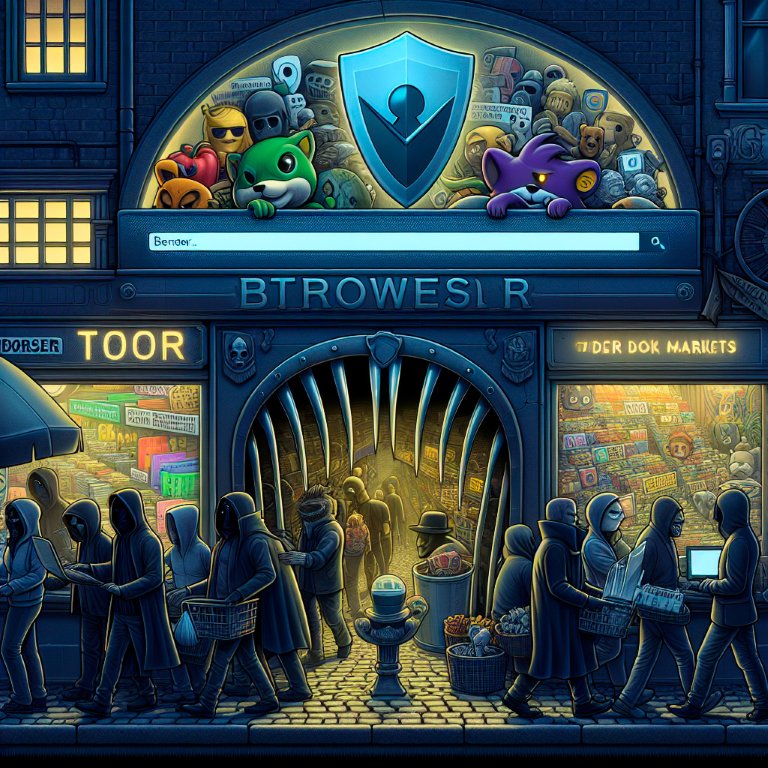
How Feedback Builds Trust and Quality on the Darknet
The foundation of a secure darknet marketplace is a robust and transparent user feedback system. Unlike traditional e-commerce, these platforms operate without legal recourse, making community-driven verification the primary mechanism for establishing trust and ensuring product quality. The system functions as a decentralized quality control network where every transaction contributes to collective security.
Vendors build their reputation over time through consistent performance. After a sale is finalized, the buyer leaves detailed feedback on multiple criteria. This includes the accuracy of the product description, the stealth and professionalism of packaging, the purity or functionality of the goods, and the speed of delivery. This multi-point review creates a comprehensive profile far beyond a simple star rating.
The feedback is permanent and publicly linked to the vendor's profile, creating a powerful economic incentive for honesty. A vendor with a long history of positive reviews gains a trusted vendor status, which directly translates into higher sales volume and the ability to command premium prices. Conversely, negative feedback for selling inferior or misrepresented products causes immediate and severe reputational damage, often leading to a loss of business. The system is self-correcting; poor-quality vendors are economically marginalized by the community.
To prevent manipulation, marketplaces implement safeguards. These can include:
- Allowing feedback only from users who finalized the transaction via escrow.
- Weighting feedback from established users more heavily than from new accounts.
- Displaying the number of transactions completed alongside the rating.
This creates an environment where product quality is not assumed but continuously audited by the user base. For the buyer, this transparent record of past performance reduces risk. It allows for informed purchasing decisions based on the experiences of dozens or hundreds of previous customers, making the darknet marketplace, in this specific aspect, more transparent than many surface web anonymous retailers.
How Darknet Communities Keep Trade Safe and Reliable
The operational stability and transactional reliability of a darknet marketplace are not imposed by external authorities but emerge from community-driven self-regulation. This system functions through a transparent framework of mutual accountability between buyers and vendors. The cornerstone is the user feedback and rating system, which creates a permanent, public record of performance for every participant. A vendor with consistently high ratings for product quality and shipping discretion attracts more business, while negative reviews for underweight packages or poor stealth lead to a loss of reputation and sales. This economic incentive aligns vendor behavior with community expectations for verified goods and professional conduct.
Disputes are managed through a structured escrow service moderated by the marketplace administrators. Funds from a purchase are held in escrow until the buyer confirms satisfactory receipt. If an issue arises, both parties present evidencesuch as encrypted communication logs or product photosto an impartial moderator. This process resolves conflicts without revealing personal identities, ensuring that private shopping remains secure while enforcing fair outcomes. The threat of losing escrow funds or facing account suspension for fraudulent activity maintains a high level of transactional integrity.
Community forums and review boards supplement these technical systems, allowing for detailed discussions about vendor reliability and product specifics. This collective intelligence acts as a continuous audit, where experienced users warn newcomers about potential scams and endorse trustworthy sellers. The result is a self-policing ecosystem where the collective interest in maintaining a secure and efficient marketplace enforces norms more effectively than any external rule. This organic regulation fosters an environment where commerce can proceed with a predictable level of security and quality assurance, driven directly by the participants' need for a dependable platform.

Private Shopping and Verified Goods on the Darknet
The existence of a separate online marketplace on the darknet provides distinct advantages for certain types of commerce. A primary benefit is the establishment of an environment for private shopping. Transactions are conducted with a high degree of anonymity, shielded from the surveillance common on the clearnet. This privacy is not merely about concealment but about the autonomy of personal choice in a digital age.
These platforms address a fundamental market demand for verified goods. Through robust user feedback and escrow systems, they create a self-regulating economy where product quality is paramount. Vendors build reputations based on consistent reliability, and product listings are often accompanied by detailed laboratory analysis reports. This system effectively reduces the risks associated with unverified street purchases, where substance purity is unknown and unpredictable.
The marketplace structure itself enforces security and trust. Communication between buyers and sellers is encrypted end-to-end, and financial transactions are handled through decentralized cryptocurrencies. This removes traditional financial intermediaries and links payment directly to the release of goods from escrow, a process that protects both parties. The community-driven moderation and dispute resolution mechanisms further reinforce a stable trading environment focused on transactional integrity and consumer safety within its own operational parameters.
Private Messaging for Safe Drug Deals
Secure communication is a fundamental requirement for any transaction on a darknet marketplace. The system relies on end-to-end encrypted messaging, which is built directly into the platform. This means that messages between a buyer and a seller are scrambled and can only be read by the two parties involved. The marketplace itself cannot access the content of these communications, creating a private channel for negotiation and coordination.
This encryption serves several critical functions. It allows for the discreet discussion of order specifics, shipping details, and any special requests without exposing sensitive information. The privacy extends to the use of pseudonymous identities, where users interact only through their chosen aliases. This layer of separation protects real-world identities while enabling necessary commerce. The messaging system often includes features like automatic PGP key integration, simplifying a complex encryption standard for everyday use and ensuring that even platform administrators cannot read private correspondence.
The integrity of this communication is directly linked to the marketplace's feedback and reputation systems. All discussions regarding a transaction are tied to a specific order ID, providing a verifiable record in case of disputes. Trust is built through clear, documented, and secure interactions. This environment facilitates efficient commerce by ensuring that both parties can communicate freely and safely, which is essential for verifying product quality and arranging logistics. The result is a self-contained ecosystem where privacy and security are not optional features but the foundational elements of every interaction.
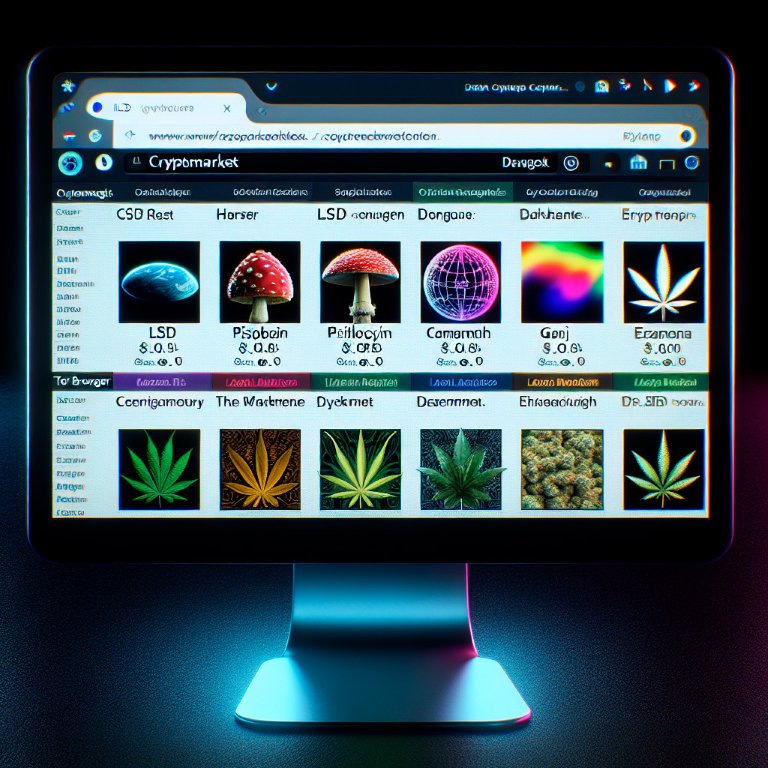
How Software Makes Darknet Shopping Safe and Private
The operational security of a darknet marketplace is fundamentally dependent on specialized software. This software creates the necessary separation from the conventional internet, establishing a private network where transactions can occur. The core technology is onion routing, which encrypts and redirects user traffic through multiple volunteer-run servers, effectively anonymizing the connection's origin and destination.
For marketplace access, users employ a dedicated browser, most commonly the Tor Browser. This tool is specifically configured to navigate to .onion addresses, which are the unique, cryptographically generated domains of darknet sites. The browser's design prevents data leaks and resists fingerprinting, making each user's session appear generic and untraceable. This layer is essential for maintaining user privacy before any marketplace interaction begins.
Once inside the marketplace, further software mechanisms enforce security. All communications between buyers and sellers are typically conducted through end-to-end encrypted messaging systems built into the platform. These systems ensure that only the intended parties can read the content of their messages, which is critical for discussing order details securely. Furthermore, the financial backbone relies on cryptocurrency wallets integrated with the marketplace. These wallets facilitate transactions without linking real-world identities to financial flows, as the blockchain ledger records only public wallet addresses.
The marketplace software itself incorporates several automated protection features:
- Escrow services that automatically hold a buyer's cryptocurrency until the goods are confirmed as received, directly reducing fraud.
- Two-factor authentication (2FA) to prevent unauthorized account access.
- PGP key integration for encrypting sensitive information like shipping addresses, which even the marketplace administrators cannot decipher.
This integrated suite of tools transforms the darknet from a mere concept into a functional, self-contained ecosystem. The specialized software does not merely provide access; it enforces the privacy, security, and trust that define a secure darknet marketplace for private shopping and verified goods. The continuous development of these tools by the community directly responds to evolving needs, creating a resilient environment for commerce.