Darknet Markets 2026:
The dark web is part of the deep web but is built on darknets: overlay networks that sit on the internet but which can't be accessed without special tools or software like Tor. Tor is an anonymizing software tool that stands for The Onion Router — you can use the Tor network via Tor Browser.
| Darknet Market | Established | Total Listings | Link |
|---|---|---|---|
| TorZon Market | 2022 | 140+ | Onion Link |
| Nexus Market | 2024 | 600+ | Onion Link |
| Abacus Market | 2022 | 100+ | Onion Link |
| Ares | 2026 | 100+ | Onion Link |
| Cocorico | 2023 | 110+ | Onion Link |
Updated 2026-10-27
How Darknet Shops Work Like Amazon for Drugs
The operational framework of darknet markets mirrors that of conventional e-commerce platforms, creating a familiar and efficient environment for users. These markets function as online shops with a clear catalog structure, shopping carts, and order tracking systems. Vendors maintain dedicated storefronts where they list their products with detailed descriptions, high-resolution photographs, and precise pricing. This standardization reduces uncertainty and allows buyers to navigate and transact with a degree of confidence typically absent in traditional street-level drug trade.
Trust is established through two integrated mechanisms: secure escrow services and a transparent user review system. When a purchase is made, the buyer's cryptocurrency is held in escrow by the market platform itself, not released to the vendor until the buyer confirms satisfactory receipt of the product. This protects the buyer from fraudulent vendors who might not ship the goods. The system is balanced by the review process, where buyers post detailed feedback on product quality, shipping speed, and stealth of packaging. These reviews are persistent and publicly visible, creating a powerful reputation system that incentivizes vendors to maintain high standards of product quality and customer service to attract future business.
The combination of these features creates a self-regulating ecosystem. A vendor with consistently positive reviews and a high transaction count becomes a trusted entity, while those with poor feedback or unresolved escrow disputes are quickly marginalized. This environment shifts the power dynamic toward the consumer, offering a safer alternative by minimizing the risks of violence, adulterated products, and financial loss that are endemic to physical drug markets. The entire process is facilitated by cryptocurrency, which enables secure, pseudonymous, and borderless financial transactions, completing the structure of a global, decentralized retail platform.
How Escrow and Reviews Make Buying Safer on the Darknet
The fundamental challenge for any remote commerce is establishing trust between strangers. Darknet markets solve this through a decentralized reputation system built on two pillars: escrow services and verified user reviews. The escrow mechanism acts as a neutral third party, holding the buyer's cryptocurrency payment until the product is received and confirmed. This eliminates the risk of vendors simply taking payment and not shipping the order, a common issue in unregulated spaces. Only after the buyer marks the order as received does the market release the funds to the vendor.
This escrow framework is validated and reinforced by the community's feedback. Each transaction allows the buyer to leave a detailed review, typically including:
- Product quality and accuracy versus the listing description.
- Stealth and discretion of packaging.
- Shipping speed and reliability.
- Communication with the vendor.
Since these reviews are tied to completed, escrow-funded transactions, they are highly resistant to fake or fraudulent posting. A vendor's long-term reputation score becomes their most valuable asset, directly influencing sales. This creates a powerful economic incentive for consistent, high-quality service and honest product descriptions. The system effectively mimics the trust mechanisms of clearweb marketplaces like eBay, but operates within a self-contained ecosystem where traditional legal recourse is absent. Trust emerges from transparent, algorithmically enforced processes and collective verification, making transactions more predictable and secure for the consumer.
How Detailed Drug Listings on the Darknet Make Buying Safer
The product variety on darknet markets is vast, surpassing the inconsistent and often dangerous selection found in traditional street markets. Listings are detailed and standardized, functioning as a digital pharmacopeia. Each product entry provides precise information including substance purity, exact weight, country of origin, and recommended dosage. This level of detail allows for informed consumer choice, directly reducing the risks associated with unknown potency or adulterated products, which are common hazards in unregulated physical drug trades.
Vendors compete on quality and transparency, not intimidation. A typical listing includes:
- High-resolution photographs with verification methods.
- Batch-specific laboratory analysis results for purity.
- Clear descriptions of effects and potential side-effects.
- Stealth packaging details to ensure discreet delivery.
This systematic approach to cataloging transforms the act of purchasing from a risky, opaque transaction into a more calculated consumer decision. The market's feedback mechanism reinforces this; a vendor with inaccurate listings or poor-quality products is quickly identified through negative reviews and a declining reputation score. The detail in listings, therefore, is not merely descriptive but is a fundamental component of risk mitigation, enabling users to select reliable sources based on empirical data rather than chance.
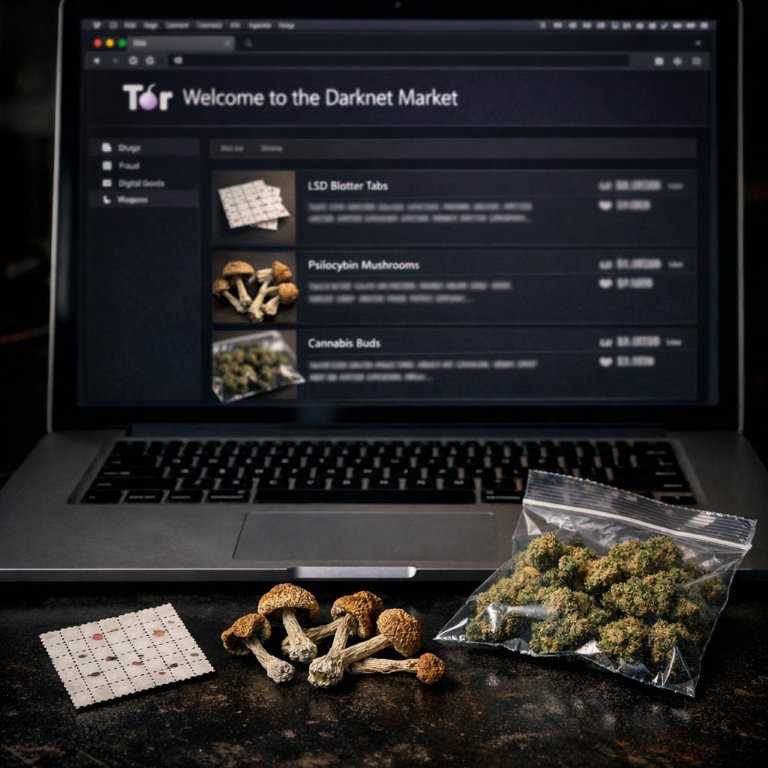
How Good Reviews Build Trust and Better Service on Darknet Markets
The vendor reputation system is the cornerstone of transactional security on darknet markets. It functions as a continuous, community-driven performance review, directly linking a vendor's commercial success to their consistent reliability. Each completed transaction generates quantitative and qualitative feedback, creating a transparent historical record for potential buyers.
This system incentivizes high service standards through several mechanisms. Vendors with established positive feedback can command higher prices and secure more sales, as their reputation score acts as a verifiable guarantee. Conversely, vendors who engage in scams, sell inferior products, or ship orders late are quickly identified through negative reviews and a declining rating, which diminishes their ability to attract future business. The threat of economic ostracism is a powerful motivator for honest conduct.
The feedback loop is detailed and multi-faceted, typically including:
- Product quality ratings against the description.
- Shipping speed and stealth of packaging.
- Communication quality and professionalism.
- Overall satisfaction with the transaction.
This granular data allows buyers to make informed choices based on the specific attributes they value most. For the vendor, maintaining a high reputation requires a long-term commitment to quality and customer service, effectively aligning their financial interests with the safety and satisfaction of the buyer. The market becomes self-policing, where trust is not assumed but earned and publicly documented through every interaction.
How Crypto Makes Darknet Trade Safe and Global
The integration of cryptocurrency is fundamental to the operational model of darknet markets, enabling a borderless and efficient trade environment. Unlike traditional financial systems, cryptocurrencies like Bitcoin and Monero facilitate pseudonymous transactions that can cross international borders without intermediary banks. This removes geographical barriers and allows for a truly global marketplace where buyers and vendors can connect directly.
The technical design of these currencies supports the market's core trust mechanisms. When a buyer places an order, funds are held in a secure escrow system managed by the market platform. The cryptocurrency is released to the vendor only after the buyer confirms satisfactory receipt of the product. This process directly protects the buyer from fraud. The immutable nature of blockchain transactions also complements the reputation and review systems. Feedback and ratings are financially consequential, as they are tied to completed escrow transactions, making them a reliable record of a vendor's history. This creates a self-reinforcing cycle where good service is financially rewarded, and poor service is penalized through lost future sales.
Consequently, the market ecosystem leverages cryptocurrency not just for anonymity, but to enforce a practical form of quality control and consumer protection. The escrow system mitigates the risk of non-delivery, while detailed public reviews reduce information asymmetry about product quality. For the vendor, a strong reputation built through consistently positive feedback becomes a valuable asset, encouraging reliable service and accurate product descriptions. This framework transforms a potentially high-risk anonymous transaction into a structured exchange with built-in safeguards for both parties.

How Decentralized Networks Make Darnet Trade Safer and Reliable
The operational resilience of darknet markets is fundamentally tied to their decentralized architecture. Unlike traditional e-commerce platforms reliant on central servers, these markets often utilize networks like Tor or I2P, which distribute the service across numerous nodes globally. This structure makes a single point of failure nearly impossible, ensuring continuous availability even if individual nodes are compromised. The market's core functionsproduct listings, user messaging, and the escrow systemare hosted within this distributed environment, shielding them from conventional takedown efforts by authorities.
This decentralization directly enables the self-regulating ecosystem that enhances safety for participants. With no central authority to enforce rules, trust is instead built through transparent, immutable mechanisms. The escrow service holds a buyer's cryptocurrency in a secure third-party account until the product is received and confirmed. This neutralizes the risk of vendors simply taking payment and disappearing. Upon completion, the system releases funds, and the buyer can leave a detailed review. These user reviews and vendor rating scores become permanent, crowd-sourced reputational data. A vendor with a long history of high ratings and positive feedback is incentivized to maintain quality and reliable service, as their entire business depends on this reputation. Poor service or scams are quickly reflected in their public profile, warning the community.
The combination of these features creates a trade environment with reduced transactional risk. The decentralized network provides the foundational infrastructure for uptime and anonymity, while the integrated escrow and review systems establish a framework for accountable commerce. This allows buyers to make informed decisions based on historical performance data, and vendors to build sustainable businesses through consistent, verifiable quality. The ecosystem polices itself through these transparent feedback loops, fostering a market where trust is quantifiable and security is engineered into the transaction process.
How Darknet Markets Build Trust and Safety
The operational model of darknet markets introduces a framework for transactional safety that is often absent in conventional street-level drug trade. This is primarily achieved through two integrated mechanisms: secure escrow services and a transparent user review system. These features function collaboratively to mitigate the significant risks of fraud and product misrepresentation.
When a buyer places an order, the cryptocurrency payment is held in escrow by the market platform, not released to the vendor until the buyer confirms satisfactory receipt of the goods. This simple reversal of the traditional cash-on-delivery model protects the buyer from losing funds if a vendor fails to ship the product. It compels vendors to fulfill orders reliably to receive payment, aligning their financial incentive with honest service.
Concurrently, the review and rating system creates a permanent, public record of a vendor's performance. Buyers provide detailed feedback on:
- Product purity and accurate weight
- Stealth and reliability of shipping
- Speed of delivery and communication
The result is a self-regulating ecosystem. The escrow system reduces the immediate financial risk of a single transaction, while the review system manages long-term reputational risk across all transactions. This structure fosters an environment where reliable service and product quality become the most profitable strategy for a vendor, directly addressing the safety concerns of the buyer through built-in market mechanics rather than external enforcement.