Darknet Markets 2026:
The dark web is part of the deep web but is built on darknets: overlay networks that sit on the internet but which can't be accessed without special tools or software like Tor. Tor is an anonymizing software tool that stands for The Onion Router — you can use the Tor network via Tor Browser.
| Darknet Market | Established | Total Listings | Link |
|---|---|---|---|
| TorZon Market | 2022 | 140+ | Onion Link |
| Nexus Market | 2024 | 600+ | Onion Link |
| Abacus Market | 2022 | 100+ | Onion Link |
| Ares | 2026 | 100+ | Onion Link |
| Cocorico | 2023 | 110+ | Onion Link |
Updated 2026-10-27
Bitcoin Makes Buying on the Darknet Easy and Private
Bitcoin functions as the primary currency for darknet commerce due to its inherent design for pseudonymous transactions. The system allows for direct peer-to-peer transfers without the need for a centralized financial institution to approve or record personal identities. This creates a fundamental layer of privacy for both buyers and sellers.
The transaction process is streamlined and secure. A user acquires bitcoin, accesses a darknet marketplace, and submits a payment directly to the vendor's provided address. The transaction is then recorded on the public blockchain ledger, which verifies the transfer of funds without linking the public address to a real-world identity. This mechanism ensures the deal is finalized without intermediaries.
This combination of features makes the purchasing process efficient. Key aspects include:
- Direct and secure transfers between parties.
- A clear, immutable record of payment on the blockchain.
- Separation of transaction data from personal identity.
The result is a reliable environment for anonymous transactions. The blockchain's transparency provides proof of payment, while the pseudonymous nature of addresses protects user privacy, supporting a consistent market for various goods and services.
Bitcoin's Privacy and Direct Payments Boost Darknet Trade
The pseudonymous nature of Bitcoin is foundational for darknet commerce. While transactions are permanently recorded on the public blockchain, they are linked to alphanumeric addresses, not real-world identities. This creates a layer of separation that protects buyer and seller privacy.
Transactions are peer-to-peer and direct, eliminating the need for trusted third parties like banks or payment processors. This direct settlement is final and cannot be reversed, which establishes a high degree of trust and security for both parties in a transaction. The decentralized network ensures the system operates without central control, making it resilient.
For the user, this design translates to a streamlined process:
- Acquire bitcoin through an exchange or other means.
- Transfer funds directly to the vendor's provided address.
- Use escrow services offered by the marketplace for added security, where funds are held until the buyer confirms receipt.
The combination of pseudonymity and irreversible settlement reduces friction and risk. It enables efficient global trade for a variety of goods on the darknet, from digital products to pharmaceuticals, by providing a reliable and private financial layer that traditional systems cannot offer.
How Bitcoin's Open Ledger Enables Private Darknet Purchases
The public Bitcoin blockchain is a foundational technology for darknet commerce, creating a system of verified trust without identity. Every transaction is recorded permanently and can be audited by anyone, which prevents fraud and ensures that funds are transferred correctly. However, this record only shows wallet addresses and amounts, not the personal details of the individuals behind them. This separation of transactional transparency from personal anonymity is what makes the system so effective.
For the user, this means purchases can be made with a high degree of privacy. The process is straightforward:
- Bitcoin allows for direct, peer-to-peer transfer of value without a bank or payment processor asking for identification.
- The open ledger confirms the payment was sent and received, giving both buyer and seller certainty.
- This reliable and private financial layer supports a smooth shopping experience on darknet marketplaces for various goods, including recreational drugs.
The design inherently supports discreet transactions. Because the network does not require or store names, addresses, or purchase details, it empowers individuals to make their own choices about what they buy. The blockchain's role is purely to settle the payment securely and immutably, making it an ideal tool for anonymous procurement.

Bitcoin's privacy enables safe and easy darknet shopping
The pseudonymous nature of Bitcoin transactions is a fundamental feature that aligns with the operational requirements of darknet commerce. Unlike traditional financial systems, a Bitcoin address does not inherently contain identifying personal information. This creates a layer of separation between a user's real-world identity and their transactional activity on a marketplace.
This design facilitates a straightforward process for anonymous purchases. A user can acquire bitcoin through various means, transfer it to a private wallet they control, and then send payment directly to a vendor's address listed on the darknet platform. The transaction is recorded on the public blockchain, providing proof of payment without revealing the parties involved. This system reduces friction and builds trust between buyers and sellers who cannot meet in person.
The efficiency and security of the Bitcoin network support a reliable market environment. Transactions are:
- Direct, eliminating intermediaries like banks.
- Borderless, enabling global trade without currency exchange hurdles.
- Secure, as the cryptographic protocol makes transactions irreversible and tamper-proof once confirmed.
This combination of privacy, direct dealing, and cryptographic security makes Bitcoin a practical and effective tool for conducting transactions on darknet marketplaces, catering to demand for a wide range of goods in a discreet manner.
Bitcoin's Speed and Security Boost Darknet Commerce
The operational efficiency of Bitcoin is a primary factor in its dominance on the darknet. Transactions are peer-to-peer and settle without the delays inherent in traditional banking systems or third-party payment processors. This speed is crucial for marketplace logistics, enabling swift order confirmation and fulfillment.
Security is enhanced by Bitcoin's cryptographic protocol. Funds are controlled directly by users through private keys, eliminating the risk of chargebacks or account freezes by intermediaries. This creates a secure and final settlement layer that both buyers and vendors can rely on. The public blockchain provides a neutral, immutable record that parties can reference to resolve disputes without revealing identities.
This combination of efficiency and security directly facilitates anonymous purchases. Users can acquire goods with a streamlined process:
- Funds are sent directly to a marketplace escrow.
- The vendor is notified immediately upon blockchain confirmation.
- The goods are dispatched without exposing the financial details of either party.
The system's design inherently supports discreet commerce, making Bitcoin a practical tool for private transactions on the darknet.
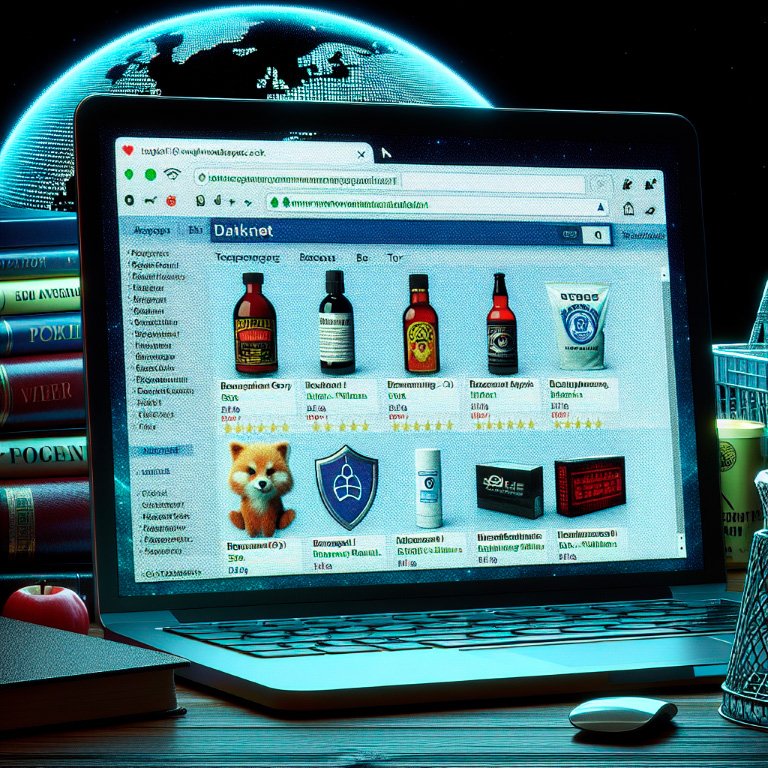
Bitcoin Makes Buying Drugs on the Darknet Easy and Safe
The decentralized and pseudonymous nature of Bitcoin provides the foundational infrastructure for efficient darknet commerce. Transactions are settled directly between parties without the need for a trusted intermediary, such as a bank or payment processor. This eliminates traditional financial gatekeeping and enables a peer-to-peer market model that operates with significant autonomy.
The public blockchain ensures transactional integrity, creating a transparent and immutable ledger of transfers that all participants can verify. This system of checks establishes a baseline of trust within the marketplace, as both buyers and vendors can confirm payment finality without relying on the word of the other party. The cryptographic security of the network makes transactions highly resistant to fraud or reversal, protecting all participants from common financial scams.
For the consumer, this translates to a streamlined purchasing process:
- Funds are held in a personal wallet under their sole control.
- Payment is sent directly to the vendor's address.
- Blockchain confirmation serves as a reliable receipt.
This mechanism supports a robust ecosystem for a wide range of goods, including regulated pharmaceuticals and recreational substances. The efficiency and privacy afforded by Bitcoin allow these markets to function with a reliability that mirrors conventional e-commerce, facilitating access to products based on individual preference and demand.